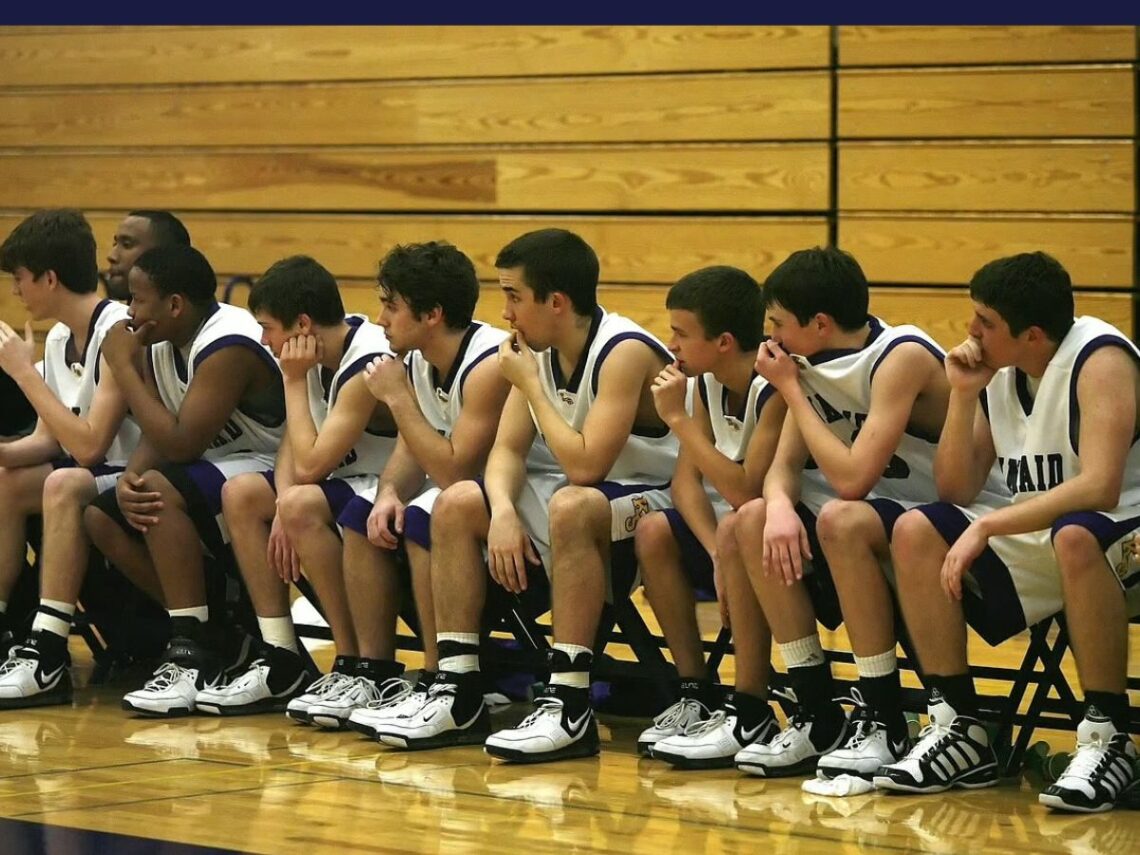
Winning Starts in the Mind
Everyone teaches skills.
Few teach toughness.
At MindWarriors Basketball, we believe mastering the game physically is only half the battle. True dominance begins with mastering the mind. Mental toughness training for youth athletes is what truly separates good players from great ones.
In this article, we explore why mental toughness is crucial for young athletes—and how MindWarriors builds it every day.
Why Mental Toughness Training Matters for Young Athletes
Mental training isn’t just for professionals—it’s critical from the earliest stages.
When young athletes prioritize mental resilience, they learn to:
- Handle pressure during competition
- Stay focused when the game gets tough
- Bounce back stronger after setbacks
- Outlast opponents both physically and mentally
Common Mental Challenges in Youth Sports
Today’s young athletes face unprecedented mental pressures, including:
- Intense expectations from coaches, parents, and peers
- Perfectionism leading to anxiety and overthinking
- Fear of mistakes stifling creativity and growth
- Injuries that create mental hurdles beyond physical healing
Without proper mental toughness training, even the most talented players can struggle to reach their potential.
MindWarriors Strategies for Building Mental Resilience
At MindWarriors Basketball, mental toughness training is woven into everything we do. Here’s how we build strong, resilient athletes:
1. Goal Setting and Visualization
- Athletes establish clear, achievable goals each season.
- Visualization exercises train the mind to expect and pursue success.
“Visualization is daydreaming with a purpose.” — Bo Bennett
2. Positive Self-Talk Training
- We teach athletes to challenge self-doubt and use affirmations to build confidence.
- Mindset resets are part of every practice and game-day preparation.
3. Using Failure as a Growth Opportunity
- Mistakes are analyzed, not punished.
- Losses are reframed as powerful lessons that fuel growth.
4. Mindfulness and Breathing Techniques
- Players practice breathing exercises to stay calm in high-pressure moments.
- Mindfulness drills improve focus, keeping athletes locked into the present.
5. Building a Resilient Culture
- Mental resilience is part of the MindWarriors team identity.
- Leadership rituals, team challenges, and growth chants build collective strength.
6. Promoting Balanced Development
- We encourage multi-sport participation, creative pursuits, and academic excellence.
- Athletes are reminded: they are more than players—they are resilient competitors in every area of life.
Conclusion: Master Your Mind, Master Your Game
Talent alone isn’t enough.
The athletes who master their focus, discipline, emotional control, and mental toughness are the ones who thrive—on the court and beyond.
At MindWarriors Basketball, we aren’t just building players. We’re building unstoppable competitors for sports, school, and life.
Train the Mind. Master the Game. Become a MindWarrior.
[Apply to Be Recruited →]
[Subscribe to Our Newsletter →]
Frequently Asked Questions About Mental Toughness Training for Youth Athletes
What is mental toughness training for youth athletes?
Mental toughness training teaches young athletes how to stay focused, confident, and resilient under pressure. It helps them bounce back from mistakes, overcome fear of failure, and develop a growth mindset both on and off the court.
Why is mental resilience important in youth sports?
Mental resilience allows young athletes to handle competition stress, setbacks, injuries, and the intense pressures of organized sports. It’s a critical skill that supports long-term success, both athletically and personally.
How does MindWarriors Basketball train mental toughness?
At MindWarriors, mental toughness training is integrated into every practice. We use goal setting, visualization, positive self-talk, mindfulness, and a team culture centered on resilience and personal growth.
At what age should athletes start mental toughness training?
Mental toughness skills can be introduced as early as elementary and middle school. The earlier athletes learn to manage emotions, pressure, and focus, the better equipped they’ll be for high-level competition in the future