No Suspense Needed: The Hornets Held the Line
Let’s not save the drama for later—the Hornets won 35-21. But how they won tells the real story. Because it wasn’t just about the scoreboard; it was about structure, system, and a commitment that has now become a defining identity for this team.
We were built differently. And it showed.
Starting With Purpose: Practice, Prep, and the Six Who Were Ready
We came into the game knowing we’d have six players. Our core four were locked in. One player, who had been out sick, showed up last minute. Another, my son, was with me that morning after a difficult week. It was just enough—and it was more than enough.
Our warm-up was sharp. Intentionally structured. Rehearsed. Refined.
On the other side? Chaos. The opposing coach was late. Their players unorganized. No warm-up. I made sure the Hornets saw it—that’s not how champions prepare.
And from the tip-off, our structure made an immediate impact.
2–0. 4–0. 7–0.
Then… a shift.
A Second Quarter Storm
The Lakers hit a three. Then another. Suddenly, we weren’t in control anymore.
They pushed ahead 12–9.
And that’s when it became real. We’d never been down more than a bucket all season. Now we were trailing by three with their energy building and ours in danger of fading.
We cut it to 12–11, but it wasn’t enough. Not if we went into the half like that. They had momentum. Their bench and fans were fired up. They believed.
And that belief needed to be stopped.
5.8 Seconds That Changed the Game
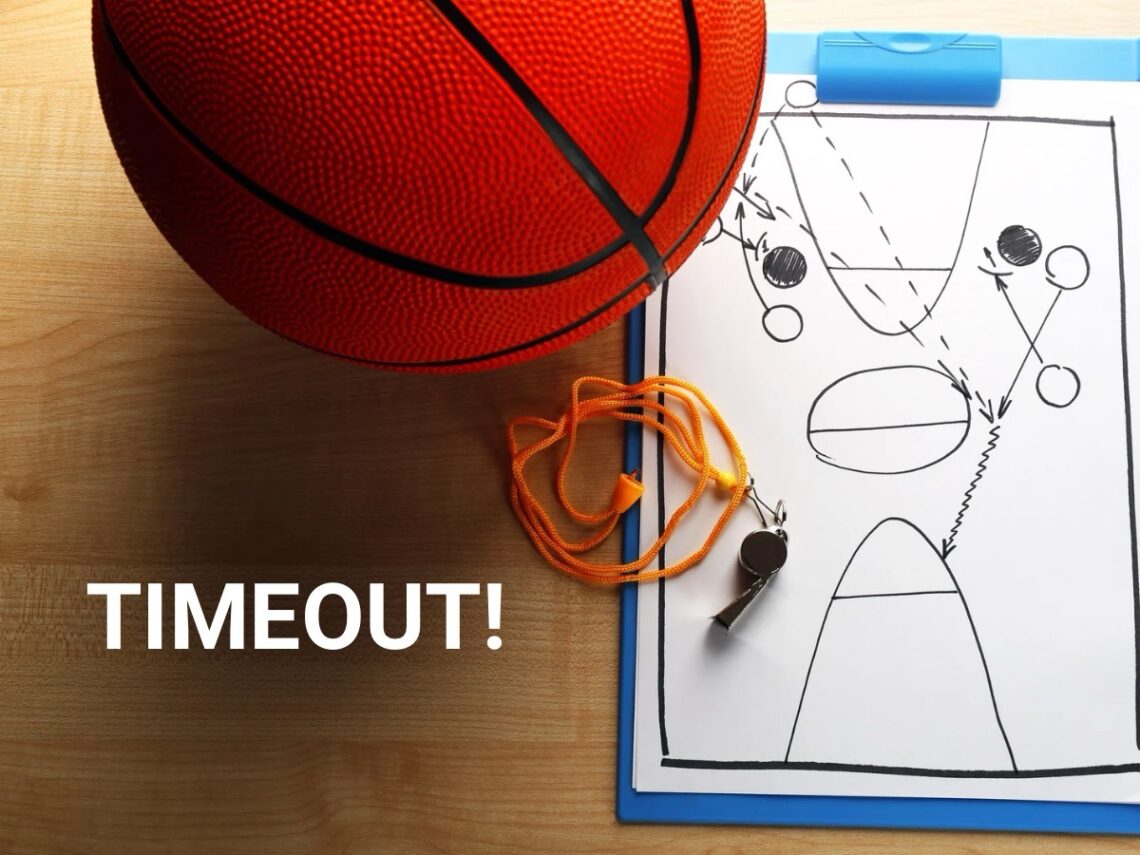
As one of our players was dribbling past me, I called a timeout.
5.8 seconds left.
I drew up a play—a sideline set we’d practiced but hadn’t executed yet under pressure.
It worked. Flawlessly.
Quick pass. Drive. Left-hand layup.
We took the lead 13–12.
But more importantly, we took back the momentum. That score flipped the energy. We walked into halftime with belief, focus, and clarity. The Lakers walked in… stunned.
And their scorer? That was his last bucket of the game.
The Bold Shift: Going Man-to-Man
Halftime strategy: pattern interrupt.
We ditched our full-court press and went to man-to-man. I took our most locked-in defender and said:
“Guard their hot hand. Shadow him. He doesn’t score again.”
And he didn’t.
They came out expecting the pressure trap—we gave them individual accountability. And they had no answer.
Turnovers. Fast breaks. We broke them down.
At the end of the third quarter, it was 24–13.
They scored one point the entire quarter. The game wasn’t over, but it was already decided.
Clock Management and Strategic Time Use
By the fourth quarter, we went into game management mode.
We were up 9 with four minutes left. In this league, with a running clock, that’s big. At the line, I reminded our players:
“Points are good—but time is golden. Use every second.”
We hit just enough free throws, burned precious time, and watched the lead hold.
At one point, our shooter missed the second shot—and I clapped. Because the clock was more valuable than the extra point.
By the time the ball was back in play, only a minute remained.
Moments That Defined the Game
This win wasn’t just built on systems—it was built on moments.
A first-time starter—usually deep in the rotation—stepped into pressure and slowly grew into the game. He made key passes, scored a crucial bucket, and will go to sleep knowing he made an impact.
The returning player off illness didn’t contribute as much as hoped—but his presence gave us flexibility. That alone mattered.
And a bench player? He got a courtside masterclass. I talked him through game strategy in real time—planting seeds that will grow whether he plays, watches, or one day coaches.
Looking Ahead: The Finals Await
This win puts us one game away from a three-peat championship.
Next week, we expect to have two of our strongest players return. But even if we don’t—this core is more than capable.
This was a pressure game. And pressure reveals preparation.
The other team cracked. We didn’t.
Because we’re built for this.
Final Reflection
There’s a reason we’ve gone 28–3 since building this system with the help of AI Assistant Coach.
It’s not just about the plays. It’s the mindset. The focus. The discipline of doing the small things right.
A play called at 5.8 seconds. A strategy shift at halftime. Free-throw management with under 4 minutes.
Those aren’t accidents. Those are intentional choices.
We don’t control who shows up. We don’t control the weather. Or the referees.
But we control our culture. We control our identity.
And when we do that, we walk off with the same result we always do: Pride. Accomplishment. Victory.