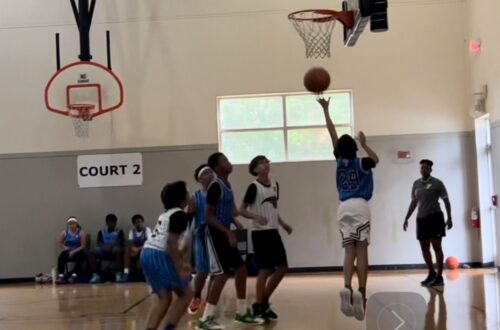
It’s often said that championships are built on talent, but won with discipline. That belief couldn’t be more true after Game 5 of the Hornets’ season—a 28–17 win over a tough and gritty Lakers team.
Was it our best game of the season? No.
Was it another step toward a championship culture? Absolutely.
Because sometimes the real story isn’t about how you start or finish—but how you hold the middle together when execution slips, rotations shift, and the structure is tested.
A Win That Raised Questions
From the outside looking in, a double-digit win might appear comfortable. But from a coaching standpoint, it was a game filled with important teaching moments.
We came out strong in the first quarter, set the tone early, and controlled the pace. But by the third quarter, familiar issues crept in—stagnant offense, lack of focus out of timeouts, and trouble adjusting to subtle defensive changes.
Despite leading most of the way, there was a point where the margin tightened to just six. Against a team like the Lakers—with a history of scrappy play and a few skilled guards—that’s too close for comfort.
That’s when the value of youth basketball preparation and accountability shows up. Not just in drills or practice plans, but in the way a team responds to fatigue, confusion, or adversity. It shows up in how players warm up, how they listen in timeouts, how they position themselves in the key—even how early they arrive to the game.
When Late Preparation Shows Up in Live Play
This was a day that required last-minute rotation changes. With one player late to arrive and another out, the pregame plan had to be restructured. Positions were adjusted, rotations reimagined, and substitutes reassigned—all on the fly.
It caused enough disruption to throw off the rhythm. And that’s the point: even small changes, if not prepared for, create a ripple effect.
One player arriving minutes before tipoff wasn’t just about being behind—it became a burden for the whole unit to adjust. From flat energy to defensive misreads, the lack of early engagement was obvious.
That’s why preparation matters—not just the night before or at warmups, but as part of a culture. When players understand that game readiness begins well before the whistle, they begin to carry themselves like champions.
Timeouts, Execution, and the Silent Crisis of Communication
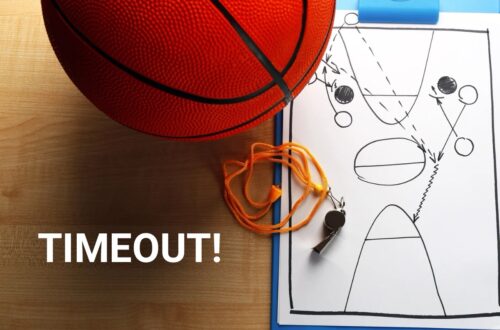
Another pattern that stood out was the team’s struggle to execute out of timeouts. Plays were called, adjustments made, but on the court, the alignment fell apart.
This isn’t a knock on effort—these are young players still learning. But it is a signal: verbal instruction is not enough.
This is why visual cues were introduced via cue cards for this game. But the transition is still in progress, and until every player commits to mastering not just the what but the why of their role, execution under pressure will lag.
Timeouts are crucial real estate—30 seconds to regroup, realign, and redirect. If half that time is spent reminding players where to stand, the other half is lost to improvisation.
Foul Awareness and Clock Management
If there was a silver lining in the chaos, it was in foul management.
With two players reaching four fouls—one in the third, another early in the fourth—the sideline decisions had to be surgical. Substitutions were made early, rotations adjusted, and both players returned late to help close the game. That’s what smart foul tracking can do.
We often talk about defense, rebounding, or spacing as keys to the game—but foul awareness is what keeps teams out of trouble when things get tight.
In youth basketball, a two-shot bonus can change a game. One undisciplined closeout. One frustration foul. That’s the difference between momentum and meltdown.
The Teachable Moment: Three in the Key
Post-game, one unexpected lesson came up. After repeated complaints from the opposing coach about lane violations, it was clear the officials were allowing the game to flow—but the warning signs were there.
In fact, after the game, several players were asked if they knew what “three in the key” meant. They didn’t.
And that’s on us as coaches. Not everything can be taught in drills or plays—some things are game IQ, and it’s our job to build that in.
That’s why one of the next practices will focus not on full-court scrimmaging, but on understanding the game.
- What is the key?
- When can you be in it?
- Why does it matter?
Because one call in a close championship game could undo three quarters of great basketball. And if we can prevent that with a five-minute breakdown on a whiteboard—why wouldn’t we?
What This Team Is Really Learning
At the end of the day, this isn’t just about a recreational league. It’s not even just about basketball.
It’s about building character through structure.
It’s about:
- Arriving on time, ready to play
- Owning your role, even if it changes at the last minute
- Communicating clearly, even when you’re tired
- Making fewer mistakes, not no mistakes
- Learning that details matter—because they always do
The Hornets are now 5–0. Undefeated. But that’s not the identity we’re chasing. The real win is becoming a team that doesn’t collapse when pressure hits. That adapts when plans change. That understands that championships aren’t won in the fourth—they’re built in the walk-throughs, the timeouts, and the choices you make before you ever step on the floor.
Looking Ahead
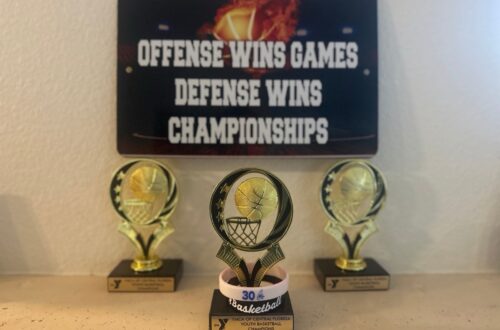
We now head into a break—no games or practices next week. After that, a first-round bye, one final practice, and then: the championship.
That leaves us with two practices to sharpen everything.
And we will.
We’ll focus on spacing, foul awareness, three-in-the-key rules, inbound execution, and off-ball timing. Because if the difference between winning and losing is two points, it won’t be from effort—it will be from the little things.
And this team is starting to master those little things.